
First Visit To New Site Checklist
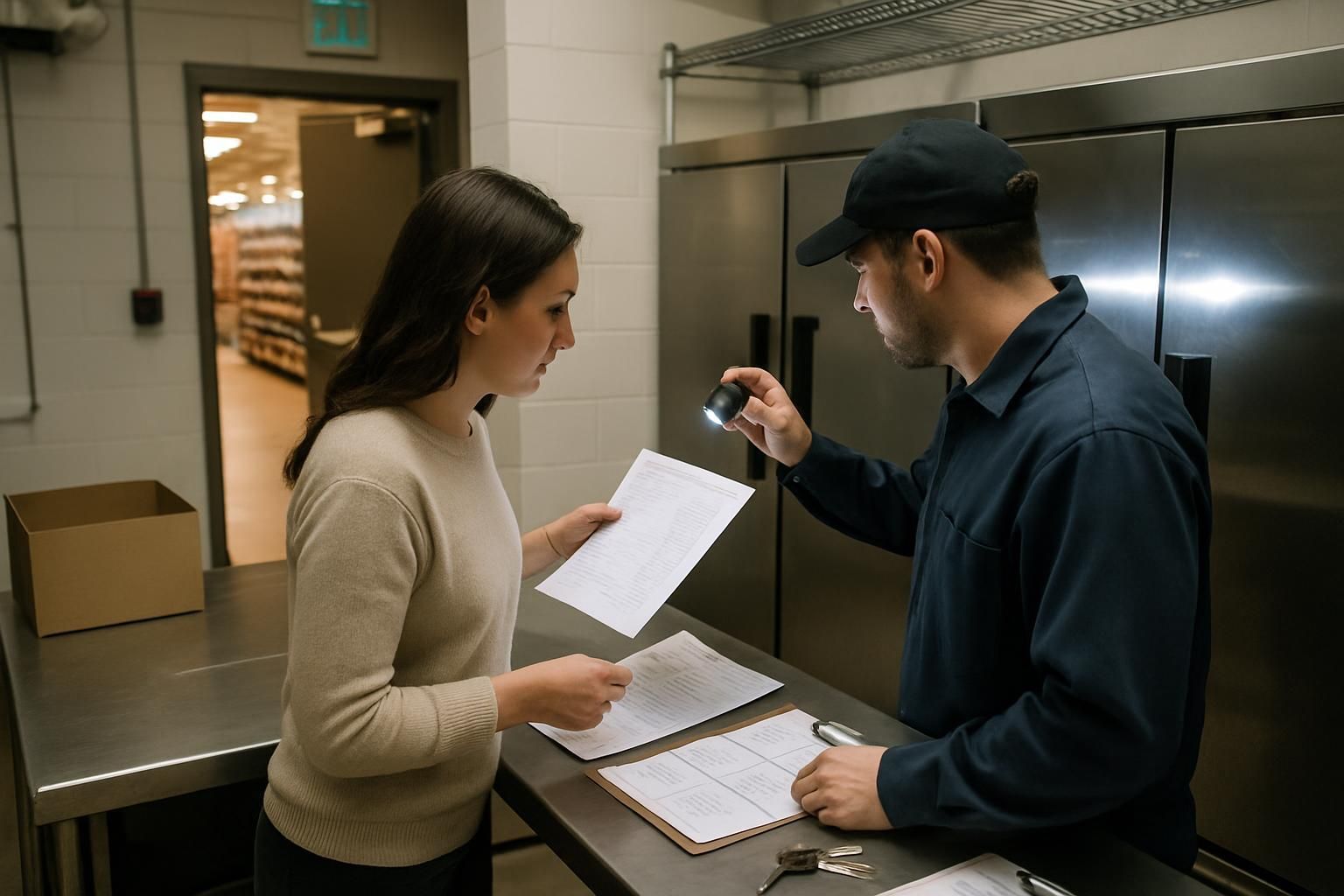
Download your first visit checklist
Please fill out the form below to access your free first visit checklist download.
About this first visit checklist
A first visit to a new site is where small unknowns become expensive surprises. This first visit to new site checklist gives operations teams a practical way to confirm access, safety, standards, and next steps — with clear escalation criteria when something is not right.
What this first visit to new site checklist covers
You can use this checklist on day one of a new contract, a newly opened location, or when you take over a site from another team. It keeps the visit focused on the essentials, so you stop guessing and start knowing.
- Preparation checks to confirm scope, access, documents, and equipment
- In-process checks to verify safety, operational readiness, and basic standards
- Escalation criteria so you know when to pause and raise an issue immediately
- Close-out actions to lock in owners, due dates, and follow-up
When to use it
Use this on any first-time site visit where you need a consistent baseline quickly. For example:
- New site onboarding and mobilisation
- First area manager visit after a handover
- Post-refit or post-incident return to site
- First visit after a change in leadership, process, or supplier
How to run the visit without slowing the site down
Start with a short alignment: why you are there, what you will check, and when you will debrief. Then walk the site in a logical route (front of house to back of house, or critical areas first). Capture facts, not opinions — and turn findings into actions with owners and dates before you leave.
Escalation criteria you should not ignore
First visits often reveal issues that have been normalised locally. Escalate immediately if you find:
- An immediate safety risk (for example blocked exits or uncontrolled hazards)
- A compliance breach that cannot wait until a follow-up
- A critical system outage with no effective workaround
Make every visit measurable
If your first-visit process lives in someone’s notebook, you will never get a consistent view across sites. Put the checklist into a single workflow, record what you saw, and track actions to completion. That is how you reduce repeat visits, prevent rework, and build confidence that standards are being met.
Disclaimer: This checklist is for general guidance only and does not constitute legal, regulatory, health and safety, or professional advice. You are responsible for ensuring compliance with applicable laws, standards, and internal policies.
Included questions
Here's what's included in this first visit checklist:
Before you travel (8)
Arrive informed, equipped, and with the right access — so you are not guessing on site.
-
Yes/No
Is the purpose and scope of the visit confirmed?
What you are there to verify, who you need to meet, and what ‘good’ looks like.
-
Person
Who is the on-site point of contact?
Add the main contact you will meet and who can unlock access, answer questions, and approve actions.
-
Yes/No
Is the arrival time agreed with the site?
Avoid turning up during peak trade, shift change, or restricted access windows.
-
Dropdown
Are access requirements understood?
Think: ID, PPE, visitor induction, permits, keys, alarm codes, parking, loading bays.
-
Dropdown
Are the right documents available offline?
Standards, floor plan, last audit results (if any), contact list, escalation process, and any site-specific risks.
-
Dropdown
Do you have the required tools and PPE?
For example: hi-vis, safety shoes, gloves, torch, tape measure, device charger, spare power bank.
-
Yes/No
Have travel risks and contingencies been checked?
Weather, route, parking, site curfews, and what you will do if you are delayed.
-
Text
Pre-visit notes
Capture anything that could affect the visit (known issues, open actions, sensitivities, key stakeholders).
Arrive and get oriented (7)
Start with safety, access, and context — then walk the operation with confidence.
-
Dropdown
Have you signed in and completed visitor induction?
Do not proceed without induction if required for the site.
-
Yes/No
Do you know the emergency procedures?
Confirm fire exits, assembly point, first aid location, and who the fire marshal is.
-
Yes/No
Are site rules and restricted areas clear?
For example: photography restrictions, customer areas, plant rooms, cash office, safeguarding rules.
-
Dropdown
Have you met the key people you need today?
Site lead, duty manager, H&S rep, facilities contact, and any team leads relevant to your scope.
-
Yes/No
Is the walkthrough plan agreed?
Confirm the route, what you will check, what evidence you will capture, and when you will debrief.
-
Yes/No
Are there any immediate red flags that need action before continuing?
Examples: unsafe conditions, aggressive behaviour, active incident, or blocked access to critical areas.
-
Text
Arrival notes
Capture first impressions and any constraints (time, access, staffing, peak periods).
Run the first-visit checks (9)
Verify the essentials: safety, standards, process, people, and performance basics.
-
Dropdown
Is the basic safety and compliance baseline met?
Check clear exits, signage, spill hazards, storage, PPE use where required, and incident reporting visibility.
-
Vibe
How would you rate overall cleanliness and order?
Think customer areas, back of house, waste handling, and general organisation.
-
Dropdown
Is critical equipment operational?
For example: tills, scanners, refrigeration, alarms, comms devices, or any site-specific critical kit.
-
Dropdown
Is process adherence visible in the areas you checked?
Look for clear routines, ownership, and evidence that standards are being followed consistently.
-
Yes/No
Can the team access the latest guidance when they need it?
Ask how they find answers in the moment and whether information is current and easy to search.
-
Dropdown
Are daily routines in place and understood?
Open, mid-shift, and close routines; handovers; checks; and who signs off.
-
Dropdown
Are there staffing or cover risks that could impact standards today?
Consider vacancies, sickness, lone working, and experience levels on shift.
-
Dropdown
Is there any risk of immediate customer or operational impact?
For example: queues, stock availability, service delays, safety perception, or critical process failure.
-
Text
Evidence captured and notes
Record what you checked, where, and what you saw. Keep it factual and specific.
Escalation criteria (5)
Know when to stop the visit and escalate — before a small issue becomes a big one.
-
Yes/No
Is there an immediate safety risk that requires escalation now?
Examples: blocked fire exits, exposed wiring, uncontrolled hazards, or unsafe working practices.
-
Yes/No
Is there a compliance breach that cannot wait until close-out?
Examples: missing mandatory records, tampered controls, or repeated failure with no owner.
-
Yes/No
Is there a critical system outage with no effective workaround?
For example: payment systems, alarms, refrigeration, or other site-critical systems.
-
Person
Who did you escalate to?
Select the person accountable for next steps (and who can authorise actions).
-
Text
Escalation summary
What happened, where, impact, immediate actions taken, and what support is needed.
Close-out and next steps (7)
Leave the site with clear actions, owners, and dates — and no ambiguity about what happens next.
-
Yes/No
Was a debrief completed with the site lead (or delegate)?
Share what you checked, what is working, and what must change next.
-
Dropdown
Are actions agreed with owners and due dates?
Avoid vague actions. Every action needs an owner and a deadline.
-
Number
How many actions were raised?
Count the actions you expect to be tracked after the visit.
-
Dropdown
Is a follow-up visit required?
If yes, set expectations on timing and what will be rechecked.
-
Text
Follow-up timing and scope
If a follow-up is needed, note when and what must be verified next time.
-
Dropdown
Have you signed out and returned passes/keys?
Confirm visitor log is complete and nothing is left behind.
-
Signature
Visit sign-off
Sign to confirm the first visit checks are complete and any escalations are recorded.