
Telecoms Retail Competitor Visit Checklist (In Depth)
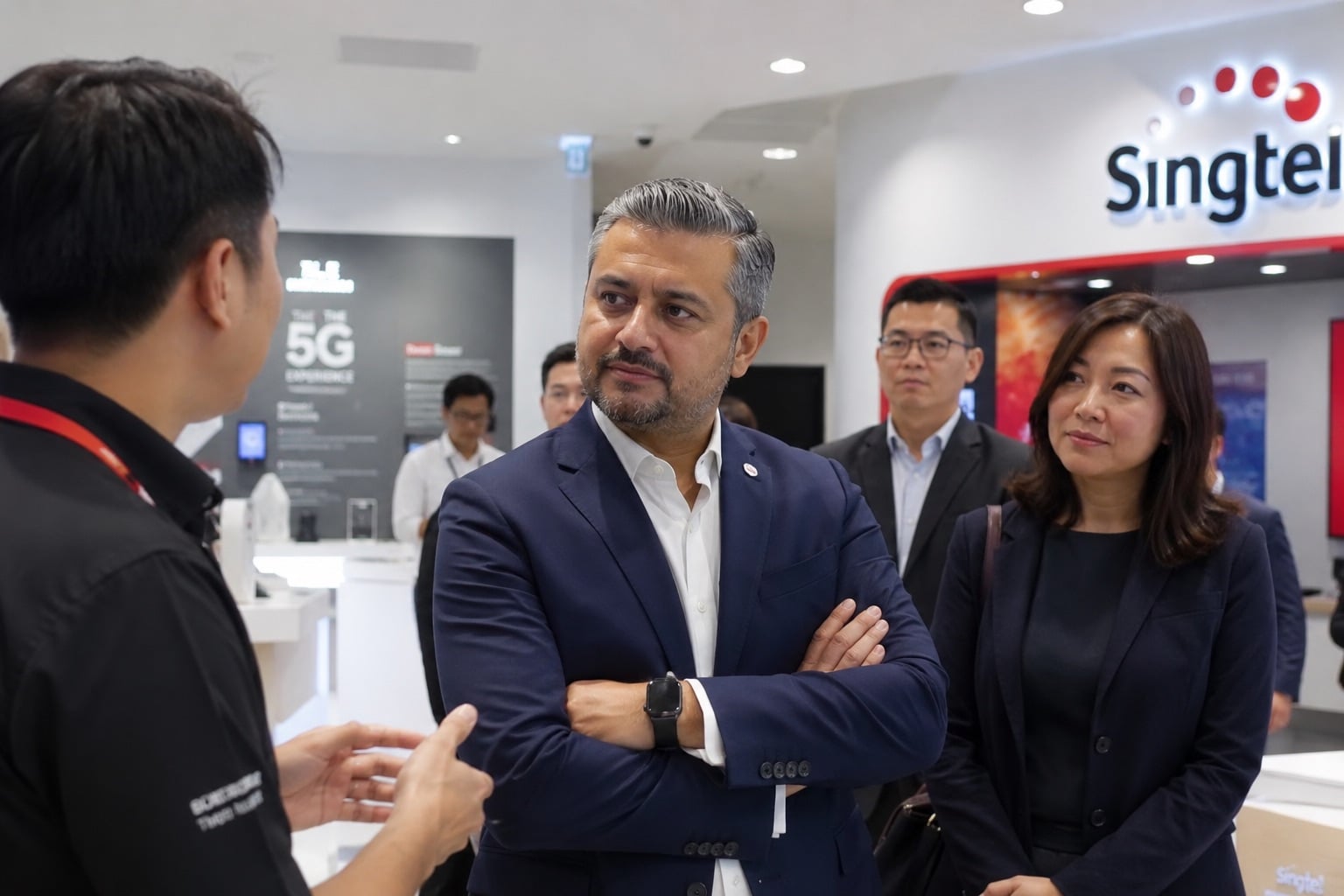
Download your competitor visit checklist
Please fill out the form below to access your free competitor visit checklist download.
About this competitor visit checklist
This telecoms retail competitor visit checklist gives regional and area leaders one consistent way to walk a rival mobile store, capture what they saw, and compare it fairly against their own stores. Use it to plan the visit, record exactly what happens on the shop floor (tariffs, device prices, retail-specific offers, coverage claims, key phrases, photos where permitted), and decide what to do next.
The single most valuable thing to bring back is visibility of the offers you can’t see online. A lot of a rival’s best telecoms deals never appear on their website — in-store-only bundles, “manager specials”, window promotions and colleague-negotiated discounts. Getting a photo of those offers (where permitted), with the exact price and conditions, is the whole point of walking the store rather than checking a site. Make it the first thing you look for.
Telecoms retail rewards the detail, so a good checklist prompts you to note the things that are easy to miss: how a colleague frames total cost of ownership, whether they explain porting with a PAC or STAC code, how they handle eSIM setup, trade-in and device finance, and how confidently they talk about network coverage. Capture the same points every time and you can spot where a competitor is stronger — and where you have an edge.
Why run competitor store visits?
Competitor shopping (also called comp shopping or mystery shopping) tells you what online research can’t: what a rival’s stores are actually doing in front of customers. In telecoms that matters, because so much still happens on the shop floor — the retail-specific offers you can’t get online, how staff pitch tariffs and devices, how they handle switching, and how busy and well-staffed the store is. A structured visit turns “they felt cheaper” into evidence you can act on: exact prices, exact phrasing, and photos. Do it consistently and you can benchmark your pricing and service, react quickly to a rival’s new promotion, and give your own store teams clear, specific things to improve.
What to include in a competitor store visit checklist
- Preparation: visit mission, customer persona, and your own standards reference
- Storefront visibility: hero device and tariff messaging, pricing clarity, and promotional focus
- Staffing and demand: colleagues on the floor and how busy the store is
- Retail-specific offers: the in-store deals you can’t get online
- Staff approach: greeting, discovery quality, and the trust builders they lean on
- Device, tariff and value: demo quality, coverage claims, total cost, eSIM, porting and trade-in
- Compliance cues: credit checks, terms visibility, data handling, and pressure tactics
- Queue and service flow: triage, wait-time expectations, and handovers
- Evidence pack: proof you can share without interpretation
- Actions: owners and deadlines so insight becomes execution
How to run a mobile store competitor visit
Use one consistent customer persona per visit — for example a pay-monthly upgrader, a SIM-only switcher, or a family looking at multiple lines — and stick to it. Record what actually happened, not what you expected. Capture the exact plan name, data allowance, contract length, upfront and monthly cost, and any conditions, so you can compare like-for-like across every network you visit.
Pay special attention to the retail-specific offers a rival has — the in-store deals you can’t get or price-match online. A photo of that ticket or signage (where permitted) is the single most valuable piece of evidence you can bring back, so capture it and note the exact price and conditions. It is also worth a quick read of staffing: how many colleagues are on the floor and whether the store looks quiet, steady or overwhelmed at the time you visit. If photos are not appropriate, write the message down exactly and record where it appeared — window, entrance, device wall, tariff board, demo table, or counter.
What good looks like in a telecoms store
When you review your notes, look for patterns across multiple visits and networks:
- Clarity in 5 seconds: the lead device or tariff offer is obvious from the window
- Discovery before recommendation: usage, budget, coverage and contract end date are qualified before a plan is pushed
- Total cost transparency: upfront, monthly, contract length, device finance and any price rises are clear
- Confident switching: porting (PAC/STAC), eSIM and number transfer are explained simply
- Joined-up journey: handovers, next steps and follow-up are simple and confident
- Queue confidence: customers know what will happen and how long it will take
Turn competitor insight into action
A competitor visit is wasted if it ends as a story. Use the final section to write three actions with an owner and a deadline. Keep them observable and measurable — what will look different in your stores, and by when. If you keep seeing the same competitor strengths (clearer price framing, better porting explanations, stronger device demos, faster queue triage), treat that as a signal of where to focus. Running these visits as a repeatable checklist, and tracking the follow-up actions, is easier when store walks and standards live in one place — which is what Inspections & Checklists and the retail checklist app are built for.
Telecoms competitor visit FAQs
How often should telecoms retailers run competitor store visits?
Most multi-site telecoms retailers benefit from a competitor visit each quarter, plus a targeted visit whenever a rival network launches a major tariff, device or trade-in promotion. The point is consistency: the same checklist and persona each time so trends are comparable rather than anecdotal.
What should a mobile network mystery shop cover?
A good mobile mystery shop covers the full journey: storefront messaging, greeting and discovery, device demo quality, tariff and total-cost explanation, coverage claims, porting and eSIM handling, add-ons like insurance and trade-in, compliance cues around credit checks and data, and the close. Capture exact prices and phrasing so the visit stands up as evidence.
How do you compare competitor telecoms visits fairly?
Use one persona and one checklist across every store, record the same data points each time (plan name, allowances, contract length, upfront and monthly cost, conditions), and score consistently. That turns subjective impressions into like-for-like insight you can act on across the region.
Disclaimer: This checklist is for general guidance only and does not constitute legal, regulatory, health and safety, or professional advice. You are responsible for ensuring compliance with applicable laws, standards, and internal policies.
Included questions
Here's what's included in this competitor visit checklist:
Before you go (prep and intent) (7)
Set up the visit so insights are comparable, evidence-based, and easy to turn into actions.
-
Text
Visit date and time
Include time zone if relevant.
Comments Images -
Dropdown
Competitor brand visited
Select the network or retailer you visited.
Comments Images Scorable -
Text
Store location
Town/city, shopping centre/high street, and any identifying notes.
Comments Images -
Dropdown
Primary purpose of this visit
Pick one so you stay focused and reduce bias.
Comments Images Scorable -
Dropdown
Customer persona used
Use a consistent persona to compare like-for-like across visits.
Comments Images Scorable -
Yes/No
Did you review our current standards and priorities before the visit?
For example: current promos, key messages, compliance requirements, and the expected sales journey.
Comments Images Scorable -
Yes/No
Are you ready to capture evidence?
Phone charged, notes app ready, and a consistent way to record prices, phrases, and photos where appropriate.
Comments Images Scorable
Arrival and storefront visibility (5)
What a customer sees before they step inside — and whether the offer is clear at a glance.
-
Vibe
Overall storefront visibility
Consider sightlines, lighting, clutter, and whether the store looks open and active.
Comments Images Scorable -
Yes/No
Is the main window message clear within 5 seconds?
Could you quickly tell what the top device or tariff offer is and who it is for?
Comments Images Scorable -
Yes/No
Did you photograph the hero offer and any deals not available online (where permitted)?
This is the most valuable evidence to bring back — in-store and window offers you can’t see or price-match online. Photograph the ticket or signage where permitted; if photos are not allowed, record the exact wording and price points, and flag which offers appear to be in-store only.
Comments Images Scorable -
Text
What promotions were most prominent at the storefront?
List up to three. Include device/tariff, price, and any conditions shown.
Comments Images -
Dropdown
Pricing transparency at the storefront
How easy was it to understand the full price and key conditions from the window/entrance?
Comments Images Scorable
Entry and first impression (8)
How quickly you’re acknowledged, how the space feels, and whether the store sets up a smooth journey.
-
Number
Time to first acknowledgement (seconds)
Measure from crossing the threshold to a greeting/eye contact/offer of help.
Comments Images Scorable -
Dropdown
Greeting quality
Was it warm, confident, and customer-led?
Comments Images Scorable -
Yes/No
Is there a clear queue or triage system?
For example: greeter, ticketing, signage, or clear staff direction.
Comments Images Scorable -
Dropdown
Does the layout support the customer journey?
Think: discovery, device demo, consultation, purchase, and service handover.
Comments Images Scorable -
Yes/No
Is the store clean, safe, and professional?
Floors, fixtures, demo tables, cables, and general upkeep.
Comments Images Scorable -
Number
How many colleagues were on the shop floor?
A quick headcount of staff visibly working the floor (exclude anyone clearly on a break).
Comments Images Scorable -
Dropdown
How busy was the store?
A quick read on customer demand versus staffing at the time of your visit.
Comments Images Scorable -
Text
Staffing observations
Note the day and time, and anything that stood out — e.g. a greeter on the door, colleagues tied up on long device setups, or nobody free to help.
Comments Images
Staff approach and discovery (5)
How the team qualifies needs, builds trust, and avoids pushing the wrong solution.
-
Yes/No
Did the colleague introduce themselves or their role?
Name badge counts if it is visible and used.
Comments Images Scorable -
Number
How many discovery questions were asked before recommending a plan/device?
Count meaningful questions (usage, budget, priorities, coverage, contract end date, etc.).
Comments Images Scorable -
Dropdown
Discovery quality
Did they listen, confirm understanding, and tailor the advice?
Comments Images Scorable -
Text
Key phrases used by staff (exact wording)
Capture the lines that shape trust (for example: coverage reassurance, price framing, switching promises).
Comments Images -
Dropdown
What trust builders did they use most?
Pick the closest match.
Comments Images Scorable
Device, tariff and value messaging (11)
Whether the offer is explained in a way that reduces confusion and increases confidence.
-
Dropdown
Device demo quality
Did they show relevant features based on the persona, not a generic tour?
Comments Images Scorable -
Yes/No
Was the tariff explained clearly?
Includes allowances, fair use, roaming, speed/coverage claims, and what happens when you go over limits.
Comments Images Scorable -
Yes/No
Did they explain the full cost clearly?
Upfront cost, monthly cost, contract length, device finance, any admin fees, and any in-contract price rises.
Comments Images Scorable -
Yes/No
Did they make a network coverage or speed claim?
Capture how they backed it up — coverage checker, map, awards, or just a verbal reassurance.
Comments Images Scorable -
Yes/No
Did they explain porting your number (PAC/STAC)?
Only score if switching came up. Note whether they explained keeping your number and timescales clearly.
Comments Images Scorable -
Yes/No
Was eSIM offered or explained?
Did they mention eSIM as an option and explain setup, or default to a physical SIM only?
Comments Images Scorable -
Yes/No
Was trade-in or device recycling offered?
Note any quoted trade-in value and whether it was framed as reducing upfront or monthly cost.
Comments Images Scorable -
Yes/No
Was insurance or device protection offered?
Capture the monthly price and how clearly the cover and any excess were explained.
Comments Images Scorable -
Yes/No
Did they explore business/SME or additional lines?
Only score if relevant to the persona. Note any attempt to add lines, broadband, or a business tariff.
Comments Images Scorable -
Text
Top recommended plan (record exactly)
Include plan name, data/minutes, contract length, monthly price, upfront cost, and any conditions mentioned.
Comments Images -
Dropdown
How did they frame value?
What did they anchor on when justifying the price?
Comments Images Scorable
Promotions and merchandising execution (7)
What is being pushed, how consistently, and whether it is easy to understand and buy.
-
Dropdown
Promotion consistency across the store
Do window, fixtures, and colleague messaging align?
Comments Images Scorable -
Yes/No
Were promotion end dates and key conditions visible?
Look for small print clarity and whether it is readable at normal distance.
Comments Images Scorable -
Dropdown
Price ticketing quality on devices and plans
Are prices accurate, legible, and clearly linked to the right product?
Comments Images Scorable -
Yes/No
Does the store have retail-specific offers you can’t get online?
The most valuable thing to bring back is what’s exclusive to the shop floor — in-store-only bundles, “manager specials”, colleague-negotiated discounts, or trade-in top-ups. Capture a photo of the ticket or signage where permitted; if not, record the exact wording.
Comments Images Scorable -
Text
What retail-specific offers do they have? (record exactly)
List each offer that is only available in-store: device or tariff, the price or discount, any conditions, and how it compared to the online price. Note whether the colleague volunteered it or only offered it when pushed.
Comments Images -
Text
Record three price examples (device or plan)
For each: product, upfront, monthly, contract length, and any conditions shown/said.
Comments Images -
Text
Merchandising strengths worth copying
Be specific: placement, messaging hierarchy, demo setup, comparison tools, signage style.
Comments Images
Compliance cues and transparency (5)
Whether key information is visible and the customer is guided without pressure or ambiguity.
-
Dropdown
Visibility of key terms and conditions
Are the important conditions easy to find and read?
Comments Images Scorable -
Yes/No
Was the credit check or eligibility process explained before commitment?
Only answer if it came up in the journey.
Comments Images Scorable -
Yes/No
Were privacy and data handling cues visible?
For example: privacy notices, screen positioning, and handling of personal details at the counter.
Comments Images Scorable -
Dropdown
Did you observe pressure tactics?
Be honest — this is about learning what customers experience.
Comments Images Scorable -
Text
Compliance and transparency notes
Record exactly what you saw or heard that increased or reduced trust.
Comments Images
Queue management and service flow (5)
How the store handles demand, keeps customers informed, and avoids drop-off.
-
Number
Queue length on entry (people waiting)
Count people waiting for service, not browsing.
Comments Images Scorable -
Yes/No
Were you given a wait time estimate?
Either proactively or when you asked.
Comments Images Scorable -
Dropdown
Were queue updates provided?
If you waited, did anyone keep you informed?
Comments Images Scorable -
Yes/No
Were you guided to browse or self-serve while waiting?
For example: signage, comparison tools, or a colleague pointing you to relevant displays.
Comments Images Scorable -
Text
Where did the service flow feel slow or confusing?
Note bottlenecks, handoffs, repeated questions, or unclear next steps.
Comments Images
Service handover and close (4)
How the colleague ends the interaction — and whether the customer leaves knowing what happens next.
-
Yes/No
Were next steps made clear?
What happens next, how long it takes, and what the customer needs to do.
Comments Images Scorable -
Dropdown
Was follow-up offered?
For example: appointment booking, call-back, or a written quote.
Comments Images Scorable -
Dropdown
Handover quality (if moved between colleagues)
Did the second colleague pick up smoothly without re-asking everything?
Comments Images Scorable -
Text
Closing phrase used (exact wording)
Capture what they said to close and whether it created confidence or pressure.
Comments Images
Evidence pack (3)
Collect consistent proof so insights stand up to scrutiny and can be shared without interpretation.
-
Text
What evidence did you capture?
List photos taken (where permitted), leaflets, screenshots, or written notes. Include file names/links if you have them.
Comments Images -
Yes/No
Did you collect a leaflet or written quote (where available)?
If yes, record what it covers and any key small print.
Comments Images Scorable -
Dropdown
Evidence quality
Would someone else be able to validate your conclusions from what you captured?
Comments Images Scorable
Compare to our standards (strengths and gaps) (4)
Turn the visit into comparable insight by mapping what you saw against your own expected journey and messaging.
-
Text
Top three competitor strengths
Write in a way you can act on: what it is, where it showed up, and why it works.
Comments Images -
Text
Top three competitor gaps
Focus on what creates customer friction, confusion, or trust issues.
Comments Images -
Text
Where might we be vulnerable (based on what you saw)?
Be specific: which part of our journey, which message, and which customer type.
Comments Images -
Text
What should we test in the next 30 days?
List practical experiments (messaging, signage, queue handling, discovery prompts, demo flow).
Comments Images
Actions for the region (owners and deadlines) (10)
Convert insight into execution — clear actions, clear owners, clear dates.
-
Text
Action 1 (what will change?)
Write the action so a store team can follow it without interpretation.
Comments Images -
Person
Action 1 owner
Who is accountable for delivery?
-
Text
Action 1 deadline
Use a specific date (DD/MM/YYYY) where possible.
Comments Images -
Text
Action 2 (what will change?)
Keep it measurable: what will look different in-store?
Comments Images -
Person
Action 2 owner
Who is accountable for delivery?
-
Text
Action 2 deadline
Use a specific date (DD/MM/YYYY) where possible.
Comments Images -
Text
Action 3 (what will change?)
If there is nothing to change, record what you will reinforce instead.
Comments Images -
Person
Action 3 owner
Who is accountable for delivery?
-
Text
Action 3 deadline
Use a specific date (DD/MM/YYYY) where possible.
Comments Images -
Signature
Regional leader sign-off
Confirms the visit is complete and actions have owners and deadlines.